
Best Waterproof Hiking Boots
As an Amazon Associate I earn from qualifying purchases. Some links may earn us a commission at no extra cost to you.
If you want dry feet without feeling like you’re wearing bricks, focus on (1) the waterproof membrane quality, (2) how well the tongue is gusseted (keeps water/debris out), and (3) weight per boot—because heavy boots can wear you down on long days.
How I researched
I compared the most recent 12–24 months of reputable roundups and brand spec sheets, prioritized weight per boot (my main decision metric for all-day comfort), checked waterproof tech + outsole/trail fit, noted warranty terms and availability, and weighed performance against durability and ownership costs.
Top picks
Salomon X Ultra 4 Mid GORE-TEX — Best for fast day hikes on mixed terrain
A lighter, more nimble waterproof mid that still brings real support. Why it wins: strong weight-to-support balance (listed at 15 oz per boot).

- Waterproof Hiking Shoes: Power through uphills and descents with the mid height X Ultra 4 GTX; It...
- All Terrain Grip: Equipped with a new chassis, this waterproof hiking shoe protects sensitive...
- Adventure Awaits: Whether you love a local day hike or hitting the trails for a multi-day adventure...
Pros
-
Lightweight for a waterproof mid boot
-
GORE-TEX waterproofing + breathable build (trail-friendly)
-
Solid stability for uneven trails (without feeling stiff)
Cons
-
Not the plushest underfoot (add cushy insoles if needed)
-
Fit can be performance-snug for some (try wide/half sizes if offered)
Social proof: See reviews on Amazon.
Trade-offs / who should skip: If you carry heavy loads often or want a super-stiff backpacking boot, go more supportive/heavier.
Scores: Performance 4.5/5 • Weight 4.5/5 • Ease of Use 4/5 • Value 4/5
Warranty: Salomon lists 2 years for most products.
Merrell Moab 3 Mid Waterproof — Best value for everyday hikes
A classic “do-most-things” waterproof hiker that’s easy to live with. Why it wins: strong comfort/value plus a very manageable 13.57 oz per shoe listed by the brand.
No products found.
Pros
-
Brand-listed weight helps keep fatigue down
-
Waterproof membrane designed to seal out water while letting moisture escape
-
Widely available, lots of sizes/colors (usually)
Cons
-
Not the most technical traction for slick rock (slow down on wet slabs)
-
Waterproof liners can feel warmer in summer (use thin socks)
Social proof: See reviews on Amazon.
Trade-offs / who should skip: If you regularly hike in muddy/steep, technical terrain, consider a more aggressive outsole-focused boot.
Scores: Performance 4/5 • Weight 4/5 • Ease of Use 4.5/5 • Value 4.5/5
Warranty: Merrell’s US limited warranty is 1 year for defects.
KEEN Targhee IV Mid Waterproof — Best for wide feet and toe-room
If you hate cramped toe boxes, this line is a go-to. Why it wins: KEEN’s roomy fit plus a durability-forward build; listed at 20.11 oz per shoe (heavier, but supportive).
No products found.
Pros
-
Roomy forefoot feel (great if you swell on longer hikes)
-
Waterproof build designed for wet trails
-
Brand-backed warranty for manufacturing defects
Cons
-
Heavy vs. “fast-hike” boots (expect more leg fatigue)
-
Bulkier feel for quick footwork (better for steady pace)
Social proof: See reviews on Amazon.
Trade-offs / who should skip: If your priority is lightweight speed, pick the Salomon or Merrell instead.
Scores: Performance 4/5 • Weight 2.5/5 • Ease of Use 4/5 • Value 4/5
Warranty: KEEN warranty is 1 year from confirmed purchase date.
LOWA Renegade EVO GTX Mid — Best for durability-first hikers
A heavier-duty option when you want a more structured, long-haul feel. Why it wins: robust materials + GORE-TEX lining; listed at 590 g per shoe.
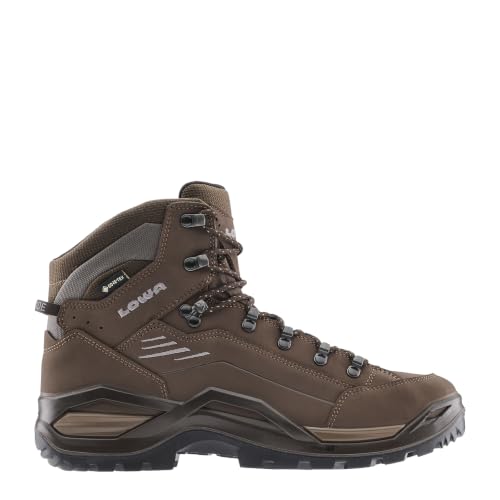
- The classic among multifunctional shoes.
- LOWA - simply more...
- Guaranteed weather protection: waterproof, windproof and breathable thanks to Gore-Tex membrane
Pros
-
Brand-listed GORE-TEX lining for wet-weather protection
-
More supportive “boot-like” platform for rough trails
-
Good choice when you value longevity over low weight
Cons
-
Heavy (you’ll feel it on long miles)
-
Takes longer to dry once soaked inside (common with waterproof boots)
Social proof: See reviews on Amazon.
Trade-offs / who should skip: If you mostly do short, easy trails or travel-hike, this can feel like overkill.
Scores: Performance 4.5/5 • Weight 2.5/5 • Ease of Use 3.5/5 • Value 4/5
Warranty: LOWA US warranty lists 12 months for defects.
HOKA Kaha 3 GTX — Best for max cushioning and comfort
If your feet (or knees) like plush cushioning, this is the comfort pick. Why it wins: a stable, cushioned platform with waterproof GORE-TEX; listed at 20.0 oz.
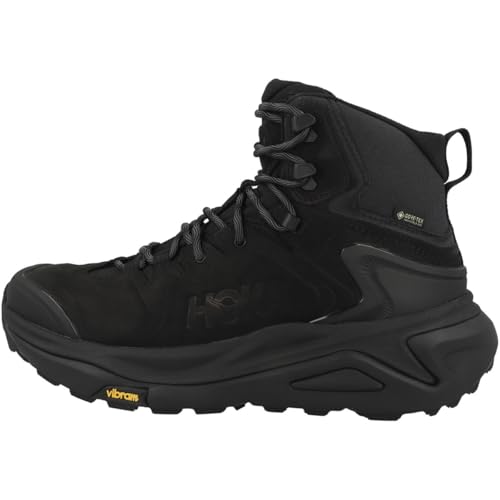
- Pinnacle Plushness with Weather-Ready Capabilities
Pros
-
Very cushioned ride for long, pounding descents
-
Brand-listed waterproof GORE-TEX Invisible Fit build
-
Weight is clearly published for expectation-setting
Cons
-
High stack can feel “tall” on off-camber rock (watch ankle roll)
-
Not the lightest option for all-day speed
Social proof: See reviews on Amazon.
Trade-offs / who should skip: If you want precise, low-to-ground footing for scrambling, choose a lower, firmer boot.
Scores: Performance 4.5/5 • Weight 2.5/5 • Ease of Use 4/5 • Value 3.5/5
Warranty: HOKA lists 1 year against defects.
Quick compare
-
Lightest feel: Salomon X Ultra 4 Mid GTX (15 oz/boot)
-
Best value all-rounder: Merrell Moab 3 Mid Waterproof (13.57 oz/shoe)
-
Widest toe-room: KEEN Targhee IV Mid Waterproof (roomy, but heavy)
-
Durability-first support: LOWA Renegade EVO GTX Mid (590 g/shoe)
-
Most cushioned: HOKA Kaha 3 GTX (20.0 oz)
Buying guide
1) Pick your “wet” reality
-
Constant rain / boggy trails: prioritize proven membranes (GORE-TEX, KEEN.DRY, etc.) and a gusseted tongue.
-
Occasional wet + warm weather: lighter boots dry/vent better—go lighter if you can.
2) Use weight to avoid buyer’s remorse (my main metric)
-
~13–16 oz per shoe: nicer for long day hikes and travel.
-
~18–21 oz per shoe: usually more protective/supportive, but you pay in fatigue.
3) Fit beats features
-
If you want toe splay, start with KEEN.
-
If you want a snug, agile feel, start with Salomon.
-
If you’re between sizes, size to your sock thickness (thin summer vs thick merino).
4) Waterproof boot care (so it stays waterproof)
-
Rinse mud/salt, air-dry away from heat, and refresh DWR spray when water stops beading.
-
Waterproof boots aren’t “forever waterproof” if the liner gets clogged or the upper gets neglected—maintenance matters.
FAQs
Are waterproof hiking boots always better?
Not always. They’re great for cold/wet trails, but they can run warmer and dry slower than non-waterproof shoes once water gets inside.
What’s the #1 reason waterproof boots “fail”?
Water usually comes in from the top (deep puddles/stream crossings) or from poor fit causing wrinkles/hot spots—not because the membrane is instantly “bad.”
Should I choose mid or low for waterproof hiking?
If you’re buying waterproof, a mid often makes sense because the extra height helps with splash, debris, and ankle support—especially on uneven terrain.
As an Amazon Associate, I earn from qualifying purchases.