
Best Outdoor Mosquito Repellents for Backyard Nights
As an Amazon Associate, I earn from qualifying purchases. Some links may earn us a commission at no extra cost to you.
Outdoor mosquito control works best in layers: a “zone” repellent for the patio, plus a skin repellent when you’re walking around, and larvae control if you’ve got standing water nearby.
Top picks
Thermacell E-Series Rechargeable Mosquito Repeller — Best for a patio “no-spray” zone
If you want mosquito control while you sit outside (rather than coating everyone in spray), this is my go-to style.
Why it wins: rechargeable convenience + a dedicated “zone” approach that’s easy to use for decks, patios, and backyard hangouts.
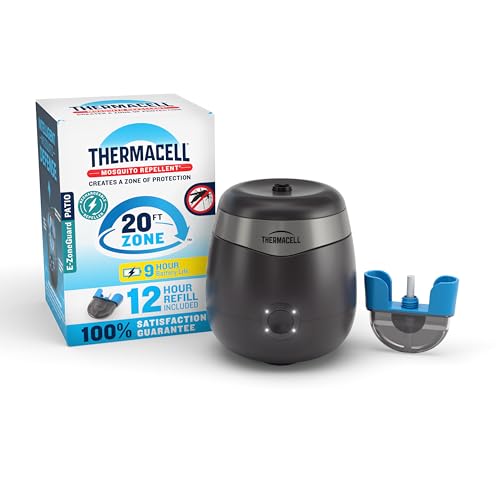
- SCIENTIFICALLY PROVEN MOSQUITO PROTECTION: Thermacell is tested and proven to repel mosquitoes from...
- 20FT ZONE OF MOSQUITO PROTECTION: Proprietary formula provides the largest protection zone of all...
- EASY TO USE, NO SPRAY NEEDED: This on-demand mosquito repellent outdoor patio solution starts...

Pros
- Creates a “hang-out zone” without spraying skin
- Rechargeable (less fiddly than fuel canisters)
- Simple for guests (set it out, turn it on)
Cons
- Not ideal in strong wind (zone can disperse)
- Requires ongoing refills (plan for them)
Trade-offs / who should skip (failure cases): Skip if you’re constantly moving around the yard—skin repellents make more sense. Also skip if your patio is very windy/exposed.
Scores: Performance 4/5 • Protection duration 4/5 • Ease of Use 4.5/5 • Value 4/5
Thermacell Patio Shield (fuel-powered) — Best budget-friendly “set it and forget it” patio option
This is the classic, simple patio format: a small unit you place where you’re sitting.
Why it wins: usually easier to keep running all season if you don’t mind swapping fuel/refills.
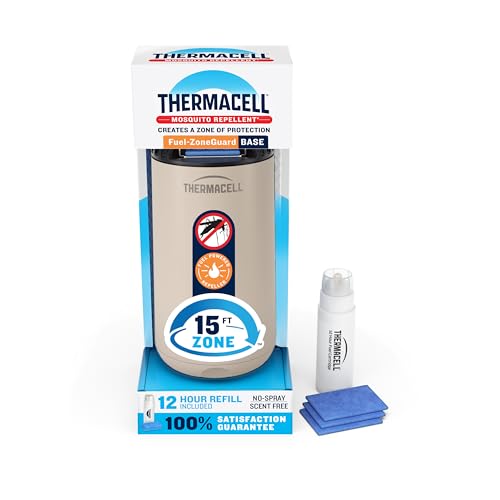
- SCIENTIFICALLY PROVEN MOSQUITO PROTECTION: Thermacell is tested and proven to repel mosquitoes from...
- 15FT ZONE OF MOSQUITO PROTECTION: Engineered to precisely diffuse heat-activated repellent, creating...
- EASY TO USE, NO SPRAY NEEDED: This on-demand mosquito repellent outdoor patio solution starts...
Pros
- Easy patio placement (good for a table or side ledge)
- Straightforward operation for everyday use
- Good option when you want multiple units around seating
Cons
- Fuel/refill management (more parts to track)
- Like any “zone” device, wind can reduce effectiveness
Trade-offs / who should skip (failure cases): Skip if you hate managing consumables or you want one rechargeable unit you top up like a phone.
Scores: Performance 4/5 • Protection duration 4/5 • Ease of Use 4/5 • Value 4/5
OFF! Deep Woods Insect Repellent (25% DEET aerosol) — Best for high-bug-pressure hikes and campgrounds
When you’re walking trails, fishing, or moving around a lot, a skin-applied repellent is usually the most reliable layer.
Why it wins: a strong, widely used DEET option for “mosquitoes are relentless” situations.
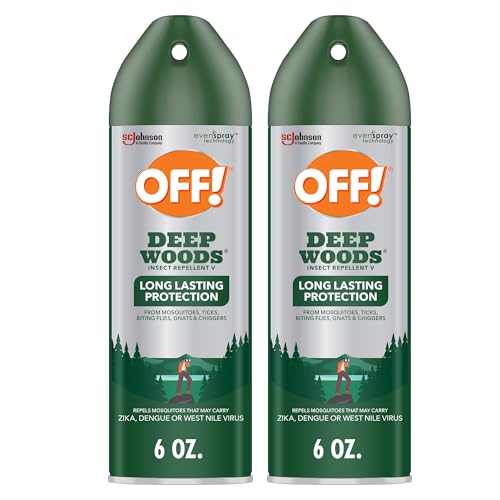
- Formulated with 25% DEET Provides up to 8 Hours of Protection against Mosquitoes
- Aerosol Spray allows for easy application in a Continuous Sweeping Motion
- Ideal for Camping, Fishing, Hiking, and Hunting
Pros
- Strong personal protection for active outdoor use
- Aerosol makes quick application easy
- Good “backup plan” even if you also run a patio zone repellent
Cons
- Scent/feel can be noticeable (typical of stronger formulas)
- Follow label guidance around gear/materials
Trade-offs / who should skip (failure cases): Skip if you’re sensitive to stronger-feeling sprays—try picaridin instead. If you’re mostly sitting on a porch, a zone device may be more comfortable.
Scores: Performance 4.5/5 • Protection duration 4/5 • Ease of Use 4/5 • Value 4/5
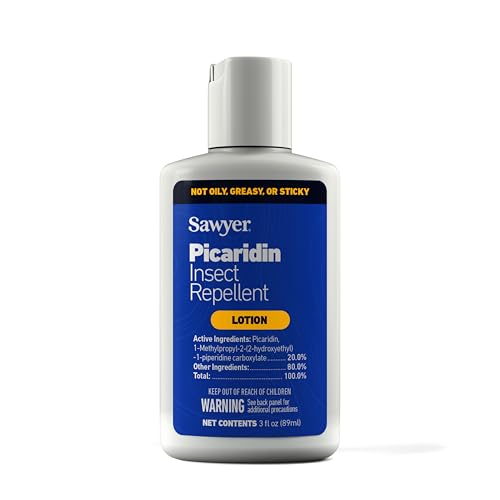
Sawyer 20% Picaridin Insect Repellent (spray) — Best “feels nicer on skin” alternative to DEET
If you want effective protection but prefer something that often feels lighter/less “bug-spray-ish,” picaridin is a common pick.
Why it wins: great for everyday outdoor time (sports, yard, walking) when you still want serious bite protection.
Pros
- Good choice when you dislike DEET feel/smell
- Easy to reapply as needed
- Practical for sports, evenings outside, and travel
Cons
- You still need consistent coverage (missed spots get bitten)
- Reapply schedule depends on conditions (sweat/water)
Trade-offs / who should skip (failure cases): Skip if you want a patio “zone” while you’re sitting still—pair this with a zone repeller instead of choosing only one.
Scores: Performance 4/5 • Protection duration 4/5 • Ease of Use 4.5/5 • Value 4/5
Summit Mosquito Dunks (BTI) — Best for stopping mosquitoes at the source (standing water)
This isn’t a body repellent—it’s larvae control. If you’ve got standing water (birdbaths, planters, low spots), this can reduce future mosquitoes.
Why it wins: it targets the lifecycle, which can make every other repellent work “easier.”

- The only product with bti, bacteria toxic only to mosquito larvae
- Lasts for 30 days and treats 100 square feet of surface water
- Non-toxic to all other wildlife, pets, fish and humans
Pros
- Helps reduce mosquitoes before they become biters
- Useful for recurring water trouble spots
- Great “set-and-maintain” layer alongside repellents
Cons
- Only helps where you treat water (not instant patio relief)
- Requires ongoing replacement on a schedule
Trade-offs / who should skip (failure cases): Skip if you don’t have standing water issues nearby—you’ll get more value from a zone device + skin repellent combo.
Scores: Performance 4/5 • Protection duration 4/5 • Ease of Use 4/5 • Value 4/5
Quick compare
- Best patio zone (rechargeable): Thermacell E-Series
- Best patio zone (simple fuel style): Thermacell Patio Shield
- Best for hiking/camping: OFF! Deep Woods (DEET)
- Best DEET alternative feel: Sawyer Picaridin
- Best “fix the cause” add-on: Mosquito Dunks (BTI)
Buying guide
1) Match the repellent to how you’ll be outside
- Sitting on a patio: choose a zone repeller first.
- Moving around: choose a skin repellent first.
- Lots of mosquitoes even when you do everything right: add standing-water control.
2) My “layering” rule (what usually works best)
- Patio night: zone repeller + (optional) skin repellent for anyone walking around.
- Camping/hiking: skin repellent, and consider a zone repeller for the campsite seating area.
- Backyard with standing water nearby: water treatment + zone repeller.
3) What to avoid
- Don’t rely on one method if mosquitoes are intense—layering beats “stronger spray” alone.
- Don’t ignore standing water (even small containers can matter).
FAQs
Is a patio “zone” repeller enough by itself?
Sometimes, yes—especially for low-to-moderate mosquitoes in calmer conditions. If you’re moving around or it’s windy, I usually add a skin repellent layer.
DEET vs picaridin: which should I pick?
If you want a classic heavy-duty option, DEET is popular. If you want something many people find more pleasant on skin, picaridin is a strong alternative. I keep both styles in mind depending on the situation.
What’s the fastest way to get fewer mosquitoes long-term?
Reduce or treat standing water where possible, then use a zone device for where you sit and a skin repellent for when you move.
As an Amazon Associate, I earn from qualifying purchases.