
Top Winter Tires For Snow And Ice Driving
As an Amazon Associate, I earn from qualifying purchases. Some links may earn us a commission at no extra cost to you.
Snow-and-ice performance is mostly about ice grip (stopping and turning on glazed surfaces), then packed-snow traction, then how predictable the tire feels when roads switch between dry, slush, and refreeze. The picks below are all winter-focused options that prioritize control when conditions are worst.
Top Picks
Bridgestone Blizzak WS90 — Winter Tire For Maximum Ice Bite
A go-to studless winter direction when the priority is confident stopping and turning on icy streets and slick intersections. This is the “make winter feel less stressful” style of pick for daily driving in real storms.

- A Leader In Control On Ice
- Confident Stopping Power On Snow And Ice
- Reliable Handling In Winter Conditions

Pros
-
Strong ice-focused grip feel for stop-and-go winter driving
-
Predictable steering on packed snow
-
Great fit for areas with frequent freeze/thaw cycles
Cons
-
Can wear faster if used in warm temps
-
Overkill for mild winters
Who Should Skip (Failure Cases): Mostly-plowed highways with short winters—an all-weather tire may be enough.
Scores: Performance 5/5 • Ice Grip 5/5 • Ease Of Use 4/5 • Value 3/5
MICHELIN X-Ice Snow — Winter Tire For Long-Season Control
A strong choice for drivers who want a winter tire that stays composed across long cold seasons, with a more “balanced” feel for mixed winter roads (cold dry pavement, slush, and snow).

- MICHELIN X-ICE SNOW
- 225/60R16 102H XL
Pros
-
Balanced winter control for mixed road conditions
-
Good choice for lots of highway miles in winter temps
-
Predictable handling when roads are cold-but-clear
Cons
-
Not the most aggressive “deep snow” style option
-
Premium-tier pick for many sizes
Who Should Skip (Failure Cases): Deep rural snow that stays unplowed—consider a more snow-forward pattern.
Scores: Performance 5/5 • Ice Grip 4/5 • Ease Of Use 5/5 • Value 3/5
Nokian Tyres Hakkapeliitta R5 — Winter Tire For Severe Winter Regions
A winter-first option aimed at harsh conditions where roads stay snowy and icy for long stretches. Great when confidence on frozen surfaces matters more than everything else.
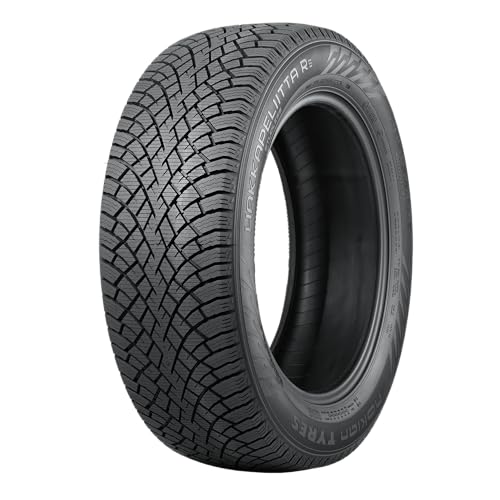
- Arctic Grip Crystals within the tread work as built-in studs to increase grip, even as the tire wears down, in winter weather conditions
- Double Block Grip design improves grip and handling performance
- Green Trace rubber compound lowers rolling resistance to enhance fuel efficiency and lessen environmental impact
Pros
-
Very winter-focused grip and stability feel
-
Strong fit for frequent ice and packed snow
-
Great for regions with long, real winters
Cons
-
Availability can vary by size/season
-
Often not the cheapest route
Who Should Skip (Failure Cases): If quick replacement availability is critical in your area, choose a more widely stocked model.
Scores: Performance 5/5 • Ice Grip 5/5 • Ease Of Use 4/5 • Value 3/5
Continental VikingContact 7 — Winter Tire For Smooth, Confident Daily Driving
A winter tire option that’s often chosen for a controlled, confidence-first drive feel—especially for commuters dealing with cold mornings, slick turns, and occasional deeper snow days.
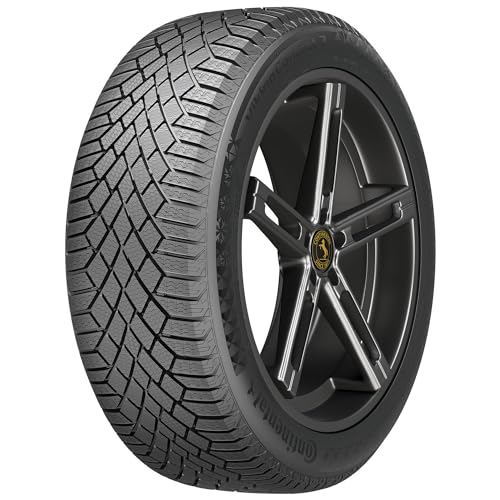
- 3-Peak Mountain Snowflake: Meets the severe snow service requirements of the U.S. Tire Manufacturer's Association (USTMA) and the Tire and Rubber Association of Canada (TRAC)
- PolarPlus Technology keeps the tread flexible in cold temperatures, improves grip, and reduces stopping distances in winter weather conditions
- Backed by a 60-day Trial and 3-years of Roadside Assistance
Pros
-
Very confidence-inspiring control on winter roads
-
Good fit for commuters dealing with ice-prone mornings
-
Comfortable choice for long winter drives
Cons
-
Size availability can be inconsistent
-
Not the most “budget” option
Who Should Skip (Failure Cases): If you need a guaranteed easy-to-find replacement mid-season, consider a higher-volume mainstream pick.
Scores: Performance 4/5 • Ice Grip 4/5 • Ease Of Use 5/5 • Value 3/5
General AltiMAX Arctic 12 — Winter Tire For Value And Optional Studs
A practical pick when the goal is strong winter traction without jumping to premium pricing tiers. Also a smart direction in places where studs are legal and commonly used (check local rules).
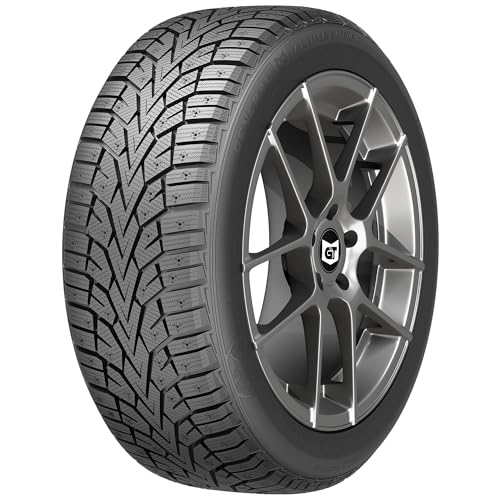
- Backed by a 45-day Trial and 72-months of limited treadwear coverage
- Exceptional grip and stability in low temperatures
- Reliable braking performance on wet, snowy, and ice-covered roads
Pros
-
Strong value for true winter driving
-
Good fit for snow-heavy areas on a budget
-
Stud-capable option for regions that allow studs
Cons
-
Can feel less refined than premium winter tires
-
Studs (if used) add noise and complexity
Who Should Skip (Failure Cases): If quiet highway comfort is the #1 priority, choose a more comfort-leaning premium option.
Scores: Performance 4/5 • Ice Grip 4/5 • Ease Of Use 4/5 • Value 5/5
Quick Compare (No Table)
-
Maximum Ice Confidence:
Bridgestone Blizzak WS90 Winter/Snow Passenger Tire 205/55R16 91 H- A Leader In Control On Ice
- Confident Stopping Power On Snow And Ice
- Reliable Handling In Winter Conditions
-
Balanced Long-Season Winter Driving:
Michelin X-Ice Snow 225/60R16 102H Bsw Winter tire- MICHELIN X-ICE SNOW
- 225/60R16 102H XL
-
Severe Winter Region Grip:
Sale
Nokian Tyres Hakkapeliitta R5 215/45 R 17 91T XL Winter Tire- Arctic Grip Crystals within the tread work as built-in studs to increase grip, even as the tire wears down, in winter weather conditions
- Double Block Grip design improves grip and handling performance
- Green Trace rubber compound lowers rolling resistance to enhance fuel efficiency and lessen environmental impact
-
Smooth Commuter Control:
Continental VikingContact 7 Winter 225/50R18 99T XL Passenger Tire- 3-Peak Mountain Snowflake: Meets the severe snow service requirements of the U.S. Tire Manufacturer's Association (USTMA) and the Tire and Rubber Association of Canada (TRAC)
- PolarPlus Technology keeps the tread flexible in cold temperatures, improves grip, and reduces stopping distances in winter weather conditions
- Backed by a 60-day Trial and 3-years of Roadside Assistance
-
Value Pick With Stud Option:
General Tire Altimax Arctic 12 Studable-Winter Radial Tire - 225/55R18 102T- Backed by a 45-day Trial and 72-months of limited treadwear coverage
- Exceptional grip and stability in low temperatures
- Reliable braking performance on wet, snowy, and ice-covered roads
Buying Guide
1) Choose Studless Vs Studded (Where Legal)
-
Studless winter tires are the easiest “install and forget” option for most drivers.
-
Studded setups can add grip on glare ice, but add noise and may be restricted in some places.
2) Match The Tire To Your Roads, Not The Weather Report
-
City streets with ice at intersections: prioritize ice grip and predictable braking.
-
Rural roads with deeper snow: prioritize traction and stability in unpacked snow.
-
Highway commuting: prioritize control at speed and consistent feel on cold dry pavement.
3) Don’t Run Winter Tires Year-Round
Winter compounds are designed for cold. Running them through warm seasons can shorten life and reduce the reason you bought them.
4) The “Right” Winter Tire Size Is The One That Fits Your Vehicle
Always buy the exact size/load/speed rating recommended for your vehicle (or an appropriate approved alternative).
FAQs
What Winter Tire Is Best For Ice?
Studless “ice and snow” winter tires are usually the safest starting point because they’re designed for braking and turning on slick surfaces, not just moving forward.
Are Studded Tires Better For Ice?
They can be on glare ice, but they add noise and may be restricted. For many drivers, a top-tier studless winter tire is the simpler, more flexible solution.
Do Winter Tires Help On Dry Roads?
They can feel stable in cold dry conditions, but they’re optimized for cold and snow/ice—not warm pavement.
As an Amazon Associate, I earn from qualifying purchases.